
A short maintenance list that prevents expensive repairs
A few repeatable checks can catch leaks, movement, and wear before they spread into walls, floors, or framing.
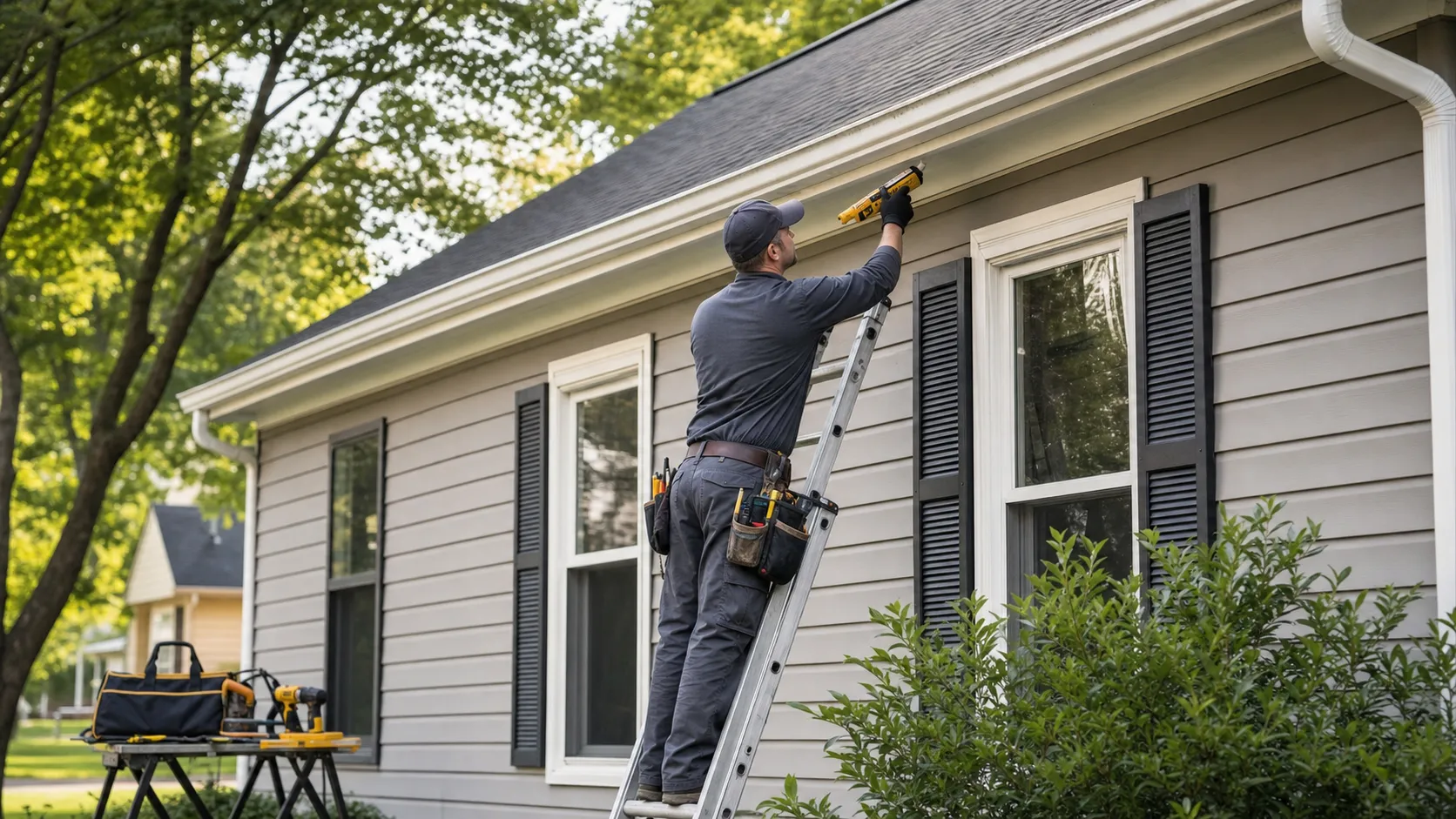
Small maintenance checks are one of the simplest ways to protect a home. They are not about making every part of the property perfect; they are about noticing change before it turns into a larger repair. A loose step, an open caulk joint, peeling paint, or water collecting in a new place can all be early warnings.
Walk the outside of the property twice a year and after severe weather. Use the same direction each time and take a few photographs from the same angles. That makes gradual changes easier to spot and gives you a useful reference if you decide to call for help later.
Keep water moving away
Water is usually the first thing to investigate because it can affect siding, trim, basements, crawl spaces, foundations, and interior finishes. Start high and work down: check roof edges and gutters, then downspouts, exterior walls, window and door trim, walkways, and the grade around the home.
Clear gutters and downspouts, inspect caulk around penetrations, and make sure soil and hard surfaces do not direct water toward the foundation. Downspouts should discharge away from the house and stay clear of leaves or compacted debris. Watch the property during or just after a rain when possible; it is the easiest time to see whether water is overflowing, splashing against siding, or pooling near an entry.
Do not climb onto a roof or use a ladder if conditions are unsafe. Many observations can be made from the ground with a careful walk-around. For work at height, active leaks, or concerns about roofing, use an appropriate qualified professional.
Walk the exterior in sections
Breaking the inspection into small zones makes it more likely that you will actually complete it. A simple seasonal walk can include:
- Roofline and gutters: look for sagging gutters, loose downspouts, overflowing areas, and debris at outlets.
- Siding and trim: note peeling finish, open joints, cracked caulk, soft spots, or boards that have shifted.
- Windows and doors: check weatherstripping, screens, hardware, thresholds, and exterior sealant.
- Foundation and drainage: look for standing water, soil that has washed away, cracks that are changing, or vegetation pressed against the house.
- Steps, decks, and railings: test for movement, loose fasteners, splinters, damaged boards, and handrails that need attention.
You do not need a detailed checklist for every outing. The goal is to make the same simple observations often enough to catch differences.
Check the places that work hard every day
Interior maintenance is usually about moisture, movement, and wear. Look under sinks for moisture or staining, check around toilets and appliances for unexplained changes, and notice doors or windows that have begun sticking. Test cabinet hinges, drawer slides, closet doors, and handrails for looseness before they fail completely.
Pay special attention to areas where a small leak can hide: under a kitchen sink, behind a washing machine, around a water heater, and at bathroom fixtures. A damp cabinet bottom, a swelling baseboard, a slow drain, or a new stain on a ceiling is worth investigating promptly. Turn off water and contact the appropriate professional if there is active leaking or a concern about a plumbing connection.
Keep a seasonal rhythm
Maintenance becomes easier when it follows the calendar rather than relying on memory. Spring and fall are good times for a broader walk-around, while a few short checks after heavy rain, wind, or freezing weather can catch immediate issues.
Spring is useful for checking winter damage, clearing debris, testing exterior lights, and reviewing caulk and paint around exposed trim.
Summer is a good time to watch drainage during rain, trim vegetation away from the structure, and address exterior repairs while the weather is suitable.
Fall is a natural time to clean gutters, check weatherstripping and door sweeps, secure loose outdoor items, and inspect steps and railings before icy conditions.
Winter calls for simple indoor observations: watch for condensation, drafts, ice-related changes, and any water that appears around doors or windows. Avoid attempting outdoor repairs in unsafe conditions.
Check the everyday safety items
Test alarms according to the manufacturer’s instructions. Check handrails, exterior lighting, and frequently used door hardware at the same time. Replace alarm batteries or units only as specified by the manufacturer, and do not ignore a unit that continues to signal a fault.
Walk the most-used paths through and around the home. Look for loose rugs, burned-out lights, uneven transitions, deteriorated steps, or hardware that is difficult to operate. Small fixes—securing a handrail, adjusting a door closer, replacing damaged caulk, or repairing a loose cabinet handle—can make the property more comfortable and safer to use.
Record what you find
A maintenance notebook can be as simple as a note on your phone. Record the date, the area checked, and a sentence about anything that needs follow-up. Save a photo beside the note if there is a crack, stain, or exterior spot you want to compare later.
This record helps you prioritize. Address active water, safety concerns, and issues that are getting worse first. Cosmetic tasks can be grouped into a future repair visit or seasonal project list. When someone comes to help, the photos and notes make it easier to explain what changed and when.
Photos make these checks more useful. Take the same angles each season so slow changes are easier to spot. If your list includes small repairs, adjustments, trim work, caulking, hardware, or punch-list items, JACK the Handyman can help homeowners in Great Bend and surrounding areas turn that list into an organized repair visit.